
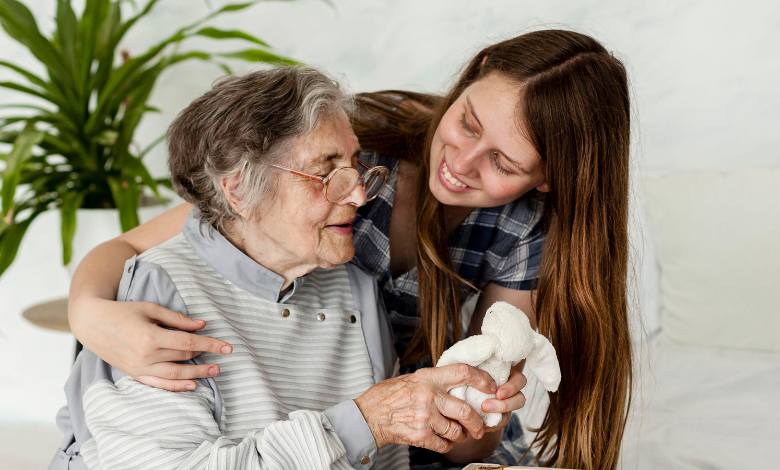
Caring for a loved one at home is one of the most meaningful roles you can take on. However, it can also be physically, emotionally, and mentally demanding. Whether you are supporting an ageing parent, a partner, or a family member recovering from illness, having the right approach makes a real difference for both you and them.
Below are practical, everyday tips to help you provide better care at home while protecting your own wellbeing too.
- Create a Safe and Comfortable Environment
Safety is the foundation of good home care. Small changes around the house can significantly reduce the risk of falls and accidents.
Keep walkways clear of clutter and loose rugs.
Ensure rooms are well lit, especially hallways and staircases.
Install grab rails in bathrooms and near beds if needed.
Make sure frequently used items are easy to reach to avoid unnecessary strain.
A safe environment helps your loved one feel confident and independent in their own home.
- Communicate Clearly and Kindly
Effective communication builds trust and reduces frustration on both sides.
Speak calmly and clearly, using simple sentences when needed.
Face the person you are caring for when you talk and allow time for responses.
Listen attentively, even when conversations are repetitive or emotional.
Encourage them to express how they are feeling and what they need.
Respectful communication helps preserve dignity and strengthens your relationship.
- Encourage Independence Where Possible
It can be tempting to do everything for your loved one, especially when time is tight. However, encouraging independence supports confidence and mental wellbeing.
Offer support rather than taking over.
Allow them to complete tasks they can still manage safely.
Celebrate small wins, such as dressing themselves or preparing a simple meal.
Maintaining independence helps your loved one feel valued and in control.
- Establish a Daily Routine
A consistent routine provides structure, comfort, and reassurance.
Set regular times for meals, medication, personal care, and rest.
Stick to familiar patterns, especially for those living with dementia.
Include enjoyable activities like reading, music, or short walks.
Routines reduce anxiety and help days feel more manageable.
- Support Physical and Emotional Wellbeing
Care is not only about physical needs. Emotional support is just as important.
Encourage gentle movement or exercises approved by a healthcare professional.
Support healthy eating and hydration.
Spend time talking, sharing memories, or simply sitting together.
Watch for signs of loneliness, anxiety, or low mood.
Companionship is often one of the most powerful forms of care.
- Take Care of Yourself Too
You cannot pour from an empty cup. Caregiver burnout is real, and ignoring your own needs helps no one.
Accept help from family or friends when offered.
Take regular breaks, even short ones.
Get enough rest and eat properly.
Talk openly about how you are coping.
Looking after yourself allows you to provide better care in the long run.
- Know When to Ask for Professional Support
Caring at home does not mean doing everything alone. As needs increase, professional care can offer reassurance and stability.
Live-in care can provide round-the-clock support while keeping your loved one at home.
Professional carers bring experience, consistency, and companionship.
Families gain peace of mind, knowing care needs are being met safely.
Support is not a failure. It is a proactive choice for everyone’s wellbeing.
Final Thoughts
Caring for a loved one at home is deeply personal and often challenging, but with the right support, routines, and mindset, it can also be incredibly rewarding. Small, thoughtful steps can protect dignity, encourage independence, and improve quality of life for both of you.
If you are finding caring for a loved one increasingly demanding or would like guidance on long-term support, speak to our team at Live in Solutions. Call us on 01245 890 336 for a free, no-obligation assessment. We are here to help you offer the right care at home.