
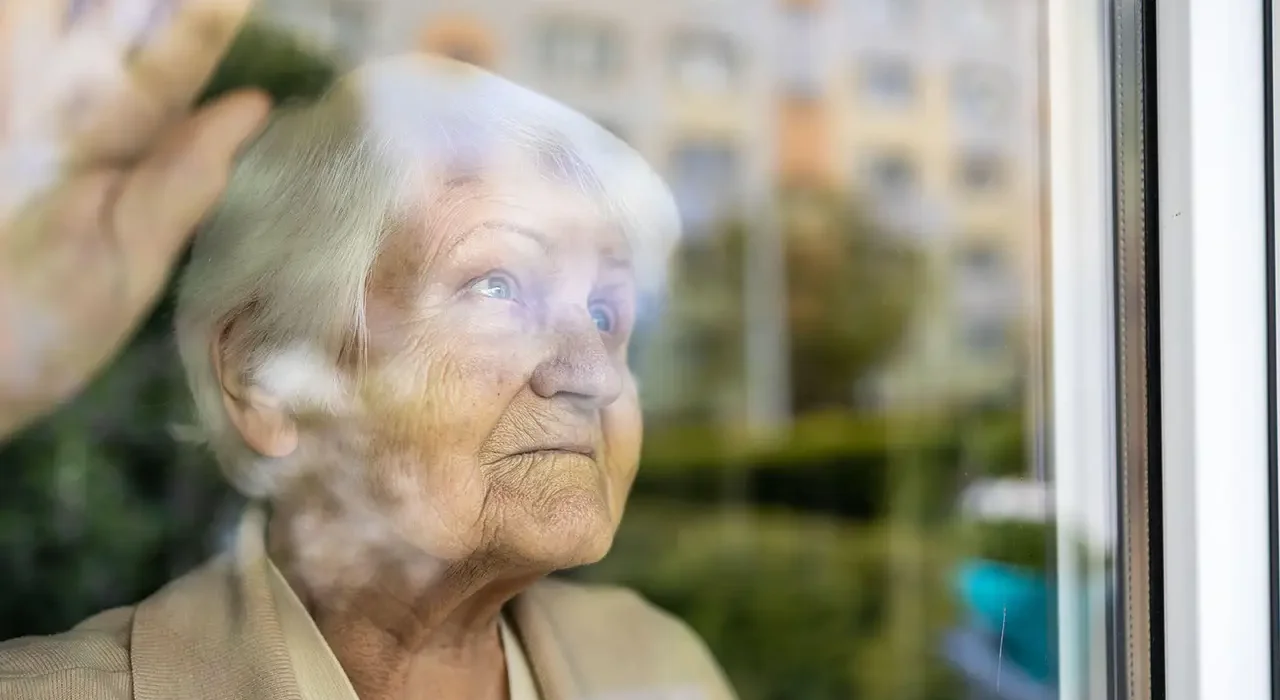
Depression is a common, yet often overlooked, issue among older adults. As people age, they may face significant life changes – such as retirement, the loss of loved ones, or health challenges – all of which can contribute to feelings of sadness, loneliness, and isolation. Although depression in the elderly is sometimes dismissed as a normal part of ageing, it is a serious mental health condition that can affect overall well-being and quality of life. Fortunately, home care offers vital support to help ease these challenges and promote emotional and mental health.
Elderly Depression: What Are the Signs?
Depression in older adults does not always resemble depression in younger individuals. Some of the most common signs include:
- Persistent sadness or feelings of hopelessness
- Loss of interest in previously enjoyed activities
- Fatigue and a lack of energy, making routine tasks feel overwhelming.
- Sleep disturbances, including insomnia or excessive sleep.
- Changes in appetite or unexplained weight loss
- Physical complaints such as headaches or chronic pain without a clear medical cause
- Withdrawal from social interactions and reduced contact with family or friends
- Difficulty concentrating or making decisions.
Recognising these symptoms early is key to obtaining the appropriate care and support.
Factors Contributing to Elderly Depression in Older Adults
There are several factors that can lead to depression in later life, including:
- Isolation and Loneliness: Many older adults find themselves alone due to the loss of family members or a shrinking social circle.
- Chronic Health Conditions: Long-term illnesses such as arthritis, diabetes or heart disease can have a cumulative effect on mental well-being.
- Loss of Independence: Changes in mobility or the need for assistance with daily tasks can result in feelings of dependency and frustration.
- Medication Side Effects: Some medications prescribed for physical ailments may have depressive side effects, especially when multiple medications are involved.
By addressing these factors through proper support, it is possible to improve both mental and physical health outcomes.
How Live in Care Supports Mental Health in the Elderly
Home care can play a pivotal role in addressing elderly depression by providing a supportive and secure environment. Here’s how home care can make a significant difference:
1. Providing a Safe and Supportive Environment
Home care enables individuals to remain in the comfort of their own homes. Familiar surroundings can lessen stress and anxiety, thereby providing a sense of security and stability. This is particularly important for individuals with depression, as a cosy and safe environment can be a fundamental part of their recovery.
2. Offering Companionship
Loneliness is a major contributor to depression. A dedicated home care professional not only assists with daily tasks but also offers regular companionship. Whether it’s engaging in conversation over tea or accompanying them on a gentle walk, regular interactions help alleviate isolation and boost mood.
3. Helping with Daily Tasks
Depression can make even simple tasks feel daunting. Home care services can relieve older adults from the burden of daily chores, allowing them to focus on their recovery and personal well-being. With assistance in activities like meal preparation, personal hygiene, and household maintenance, individuals can regain a sense of normality and control.
4. Establishing a Structured Routine
Establishing a regular schedule can have a powerful impact on mental health. By helping older adults maintain a structured routine – including mealtimes, activities, and rest – home care ensures that each day has purpose and stability, which is vital in overcoming depressive feelings.
Live In Solutions’ Approach to Home Care for Elderly Depression
At Live In Solutions, we understand the challenges faced by older adults with depression. Our compassionate, personalised home care services are designed to support both the physical and emotional well-being of our clients. Our trained carers work closely with families to create customised care plans that emphasise:
- A warm and secure home environment
- Regular companionship and social interaction
- Assistance with daily tasks to reduce stress.
- A structured routine that promotes a sense of purpose
Our mission is to empower older adults to live as independently and confidently as possible, even in the face of depression.
Conclusion
Depression in the elderly is a complex issue that requires thoughtful and compassionate care. With professional home care support, older adults can enjoy a safer, more engaging, and independent life at home. By addressing both the physical and emotional aspects of depression, home care not only enhances quality of life but also reinforces the importance of mental health at every age.
If you or a loved one is struggling with depression and could benefit from supportive home care, Live In Solutions is here to help. Our dedicated team is ready to work with you to create a care plan that meets your unique needs.
Contact us today for a free consultation and take the first step towards improved well-being and greater independence.